
British Shorthair and British Longhair cats are generally healthy and long-lived — but like all pedigree breeds, they carry a risk of specific genetic and viral diseases. As a responsible owner or kitten buyer, understanding these conditions helps you ask the right questions, choose the right breeder, and keep your cat healthier for longer.
PKD
Polycystic Kidney Disease — inherited kidney condition causing cyst formation and eventual kidney failure.
HCM
Hypertrophic Cardiomyopathy — thickening of the heart muscle, the most common heart disease in cats.
PRA
Progressive Retinal Atrophy — degenerative eye disease that causes progressive vision loss and blindness.
ALPS
Autoimmune Lymphoproliferative Syndrome — immune cell disorder causing organ enlargement in young kittens.
FIV
Feline Immunodeficiency Virus — attacks the immune system; transmitted through bites from infected cats.
FeLV
Feline Leukemia Virus — one of the most common and serious viral diseases in cats, often fatal.
What is Polycystic Kidney Disease (PKD) in British Shorthairs?
Quick answer: PKD is a hereditary condition where fluid-filled cysts form in the kidneys from birth and grow over time, eventually causing kidney failure. It is tested with a DNA swab — responsible breeders only use PKD1 Negative (clear) cats in their breeding programs.

PKD was first identified in Persian cats but is well-established in British Shorthairs. The cysts are present from birth and grow slowly — most cats don't show clinical symptoms until around 7 years of age, by which point significant kidney damage has already occurred. There is no cure, but early identification through DNA testing allows breeders to eliminate the gene from their lines entirely.
The PKD1 DNA test is done once in a cat's lifetime using a cheek swab. Results are either Negative (Clear), Carrier, or Affected. Only PKD1 Negative cats should be used in breeding. Ask your breeder to provide the actual lab certificate with the cat's microchip number on it. Accepted labs include UC Davis, Langford Vets, and the Animal Health Trust.
Supportive care for affected cats includes urine testing, annual bloodwork, regular ultrasounds, and a kidney-supportive diet to slow cyst growth and organ failure.
What is Hypertrophic Cardiomyopathy (HCM) and why does it affect British Shorthairs?
Quick answer: HCM causes the heart muscle to thicken abnormally, reducing its ability to pump blood. It is the most common heart disease in cats and can cause heart failure or sudden death. Unlike PKD, there is no DNA test — annual cardiac screening by a specialist echocardiogram is required throughout a cat's breeding life.
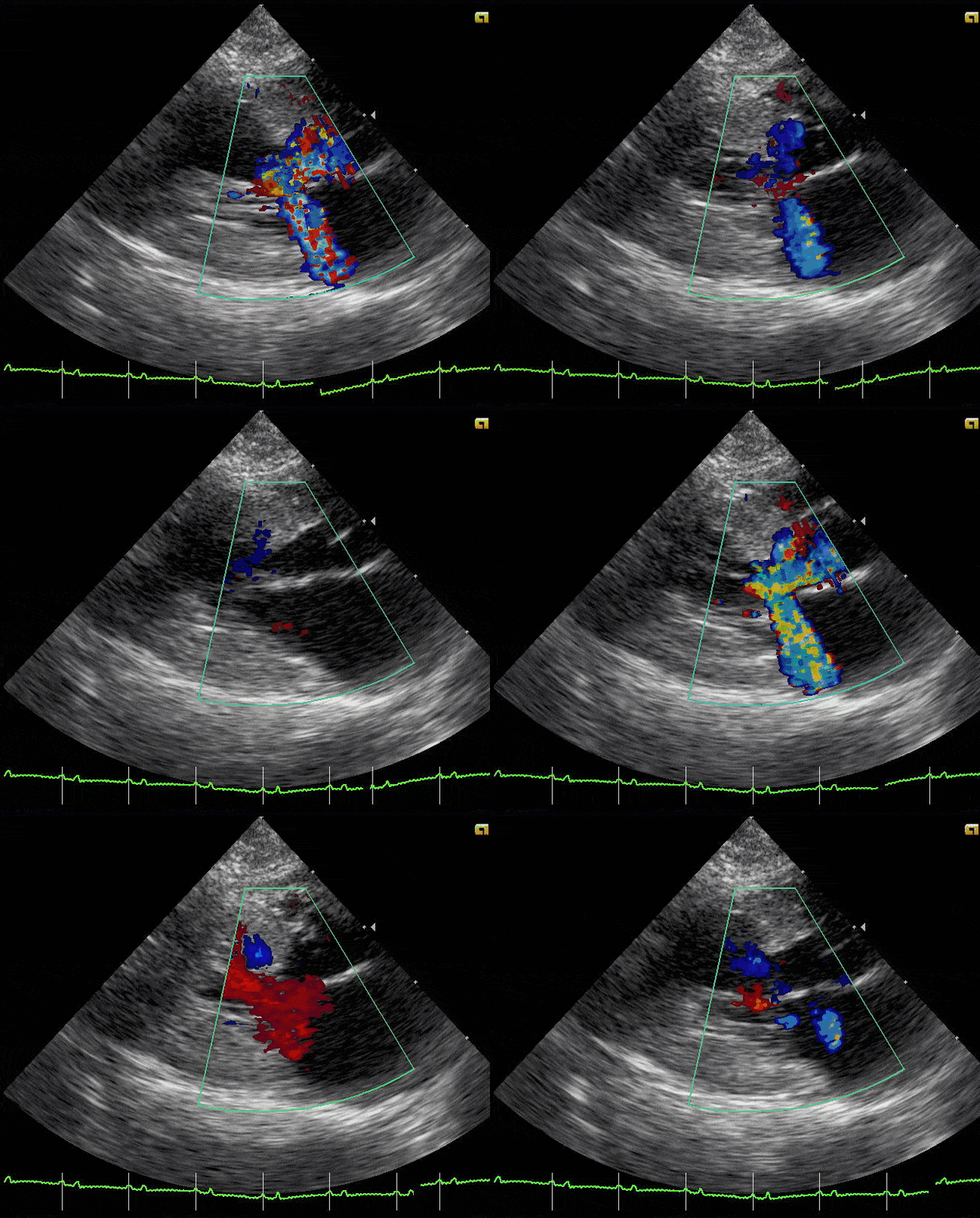
British Shorthairs are among the breeds with elevated HCM risk. The condition can develop at any age, which is why a one-time clear result doesn't mean a cat is permanently safe. Breeders must conduct annual echocardiograms throughout a cat's breeding career — a clear result last year is not sufficient.
A proper HCM screen requires a board-certified veterinary cardiologist performing an echocardiogram (cardiac ultrasound). A general vet listening with a stethoscope is not an acceptable substitute — murmurs can be absent even in affected cats, and only echocardiography can detect structural changes early enough to matter.
Symptoms include lethargy, difficulty breathing, loss of appetite, irregular heartbeats, and coughing. HCM is not curable but can be managed with medication to improve quality of life and extend life expectancy when caught early. At our cattery, every breeding cat receives an annual cardiologist echocardiogram. You can meet our queens and studs and view their health results on their profile pages.
What is Progressive Retinal Atrophy (PRA) in British Shorthair cats?
Quick answer: PRA is a hereditary eye disease that progressively destroys the photoreceptor cells in the retina, eventually causing complete blindness. It follows a recessive inheritance pattern — a cat can carry the gene and pass it to offspring without ever going blind itself. DNA testing is the only reliable way to identify carriers.
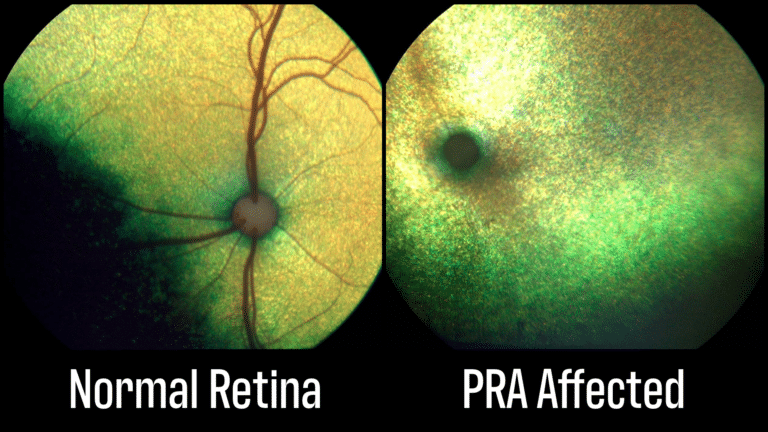
The PRA-b variant found in British Shorthairs typically causes night blindness first — affected cats avoid dark rooms, bump into objects in low light, and have persistently dilated pupils. Full blindness usually develops within a few years. There is no treatment; once retinal cells are lost, they do not regenerate.
Because PRA is recessive, two carrier parents can produce affected kittens even though neither shows any symptoms. Responsible breeders DNA test all breeding cats and only pair combinations that cannot produce affected offspring — either both parents are Clear, or one Clear is paired with a Carrier.
All cats confirmed as Affected by DNA testing must be immediately removed from any breeding program. For more, see our health FAQ.
What is Autoimmune Lymphoproliferative Syndrome (ALPS) in British Shorthairs?
Quick answer: ALPS is a rare but serious immune cell disorder specific to British Shorthairs, causing abnormal accumulation of immune cells in the spleen and lymph nodes. It typically appears in kittens between 6–8 months of age and carries a very poor prognosis.
ALPS presents with anemia, abdominal distension, weight loss, and lethargy. The affected organs become significantly enlarged. Prognosis is very poor — most kittens require humane euthanasia within 4 weeks of disease onset.
In breeding programs, ALPS-affected cats can be used if paired with a genetically normal cat — producing no affected offspring. Genetic testing of litters is essential to identify carriers before they enter breeding programs. Responsible breeders disclose any history of ALPS in their lines. See our available health-tested kittens for current adoptions.
What is Feline Immunodeficiency Virus (FIV) and how does it affect cats?
Quick answer: FIV is a lentivirus that progressively weakens the immune system — similar in mechanism to HIV in humans, though the two cannot cross species. There is no cure, but FIV-positive cats can live long, comfortable lives with proper management. It is transmitted through deep bite wounds, not through casual contact.
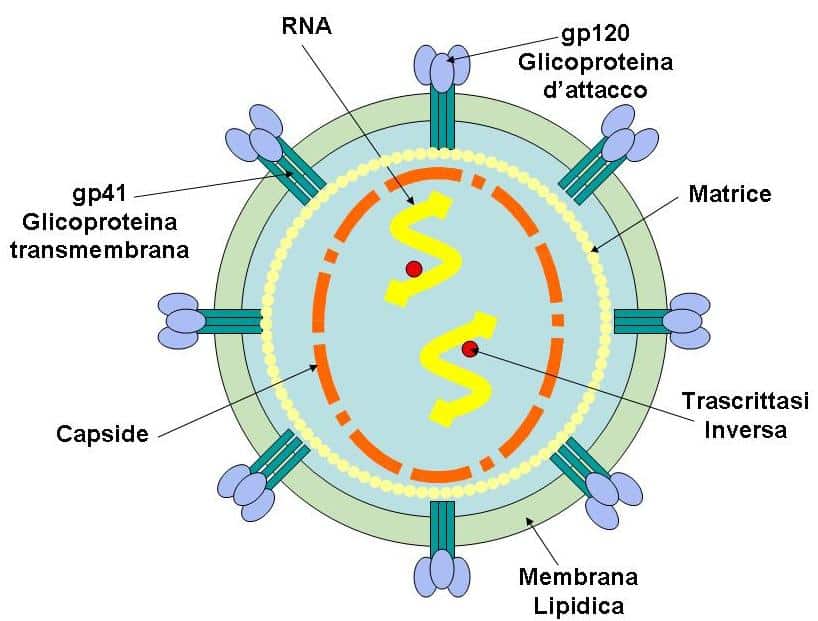
FIV infects only cats — humans and other animals are not at risk. There are several strains, some more aggressive than others. A cat may test FIV-positive yet show no symptoms for years, as the virus can remain latent before progressing to immunosuppression.
Transmission occurs primarily through bite wounds. It can also spread via blood transfusions, sexual contact, and occasionally from mother to kitten. Indoor cats with no contact with unknown cats carry very low risk.
FIV-positive cats can live 5+ years after diagnosis with careful monitoring. Bi-annual blood and urine tests track immune status, and prompt treatment of secondary infections is key. Reputable catteries test all breeding cats for FIV and do not use positive cats in their programs.
What is Feline Leukemia Virus (FeLV) and how serious is it?
Quick answer: FeLV is one of the most common and serious infectious diseases in cats. It suppresses the immune system and causes leukemia and lymphoma. It is fatal in approximately 90% of persistently infected cats within 2–4 years of diagnosis. Vaccination is available and all breeding cats should be tested and vaccinated.
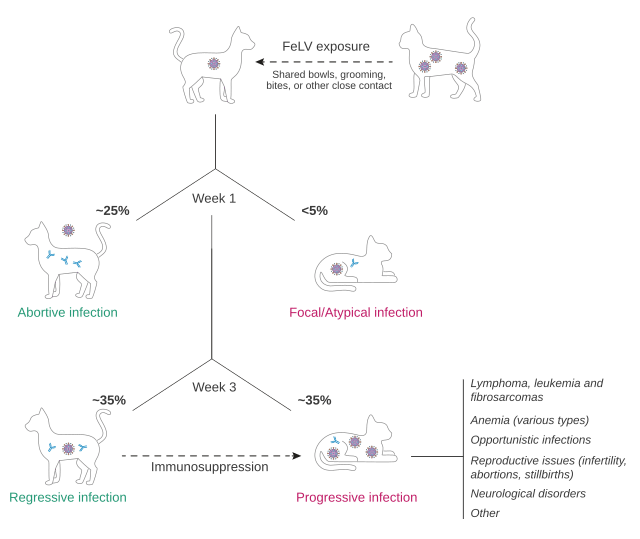
FeLV is transmitted primarily through saliva — shared bowls, grooming, and bites are the main routes. It generally requires prolonged close contact between cats for transmission. However, kittens and immunocompromised cats are at much higher risk.
Common associated diseases include lymphosarcoma and leukemia. Other consequences include severe anemia, enteritis, reproductive failure, eye problems, and neurological issues. FeLV suppression also makes cats vulnerable to secondary infections they would otherwise fight off easily.
There is no cure. Vaccination is a critical preventive measure — always ask your breeder for a FeLV vaccination certificate for any kitten. Reputable breeders test their adult cats regularly and vaccinate against FeLV as standard practice. Learn more about first 30 days care for your new kitten.
Quick Reference: BSH Health Conditions at a Glance
Quick answer: The table below summarizes all conditions — type, how they spread or inherit, testing availability, and what to ask your breeder.
| Condition | Type | How It Spreads / Inherits | Test Available? | Ask Your Breeder |
|---|---|---|---|---|
| PKD | Genetic | Autosomal dominant — one copy causes disease | ✅ DNA test (once) | PKD1 Negative certificate for both parents |
| HCM | Cardiac | Complex genetics — can develop at any age | ✅ Annual echo by cardiologist | Echocardiogram dated within 12 months |
| PRA | Genetic | Autosomal recessive — carriers show no symptoms | ✅ DNA test (once) | PRA-b result for both parents; no Affected pairing |
| ALPS | Immune | Genetic — appears in kittens 6–8 months old | ⚠️ Genetic testing available | Any history of ALPS in cattery lines? |
| FIV | Viral | Bite wounds, blood, sexual contact | ✅ Blood test | All breeding cats tested FIV negative |
| FeLV | Viral | Saliva, close prolonged contact | ✅ Blood test + vaccine | FeLV vaccination certificate for kitten |
How do I find a British Shorthair breeder who takes health seriously?
Quick answer: Look for TICA or CCA registered breeders who proactively share health test results. Legitimate breeders are proud of their testing protocols and will provide certificates before you pay any deposit. Our British Shorthair health testing guide explains exactly which certificates to request.
✓ What a Responsible Breeder Should Provide
- PKD1 DNA test — both parents, result: Negative/Clear
- HCM echocardiogram — both parents, dated within 12 months, by a certified cardiologist
- PRA-b DNA test — both parents, result: Clear or Carrier (no Affected x Affected)
- FIV and FeLV test results for all breeding cats
- FeLV vaccination certificate for the kitten
- Kitten's full vaccination record (FVRCP at minimum)
- Veterinary health exam certificate for the kitten
- TICA or CCA litter registration certificate
- Written health guarantee covering genetic conditions
🚩 Red Flags — Walk Away If You See These
- Breeder says cats are "naturally healthy" with no documentation to back it up
- PKD tested by ultrasound only — DNA testing is required, not ultrasound alone
- HCM "checked by our vet" — only a board-certified cardiologist with an echocardiogram counts
- No mention of FIV or FeLV testing, or no vaccination records for the kitten
- Breeder hesitates to share certificates before you pay a deposit
- No TICA, CCA, or WCF registration for the cattery
Our Kittens Come With Full Health Documentation
All Golden Charm breeding cats are PKD1 clear, PRA-b tested, annually HCM screened, and FIV/FeLV tested. Every kitten leaves with a complete health package — no guessing, no shortcuts.
